No Web IDE Can Recreate the Modern Dev Experience
Why browser-based coding environments fail to measure how senior engineers actually work with AI agents in 2026. It’s time to move the interview to the CLI.
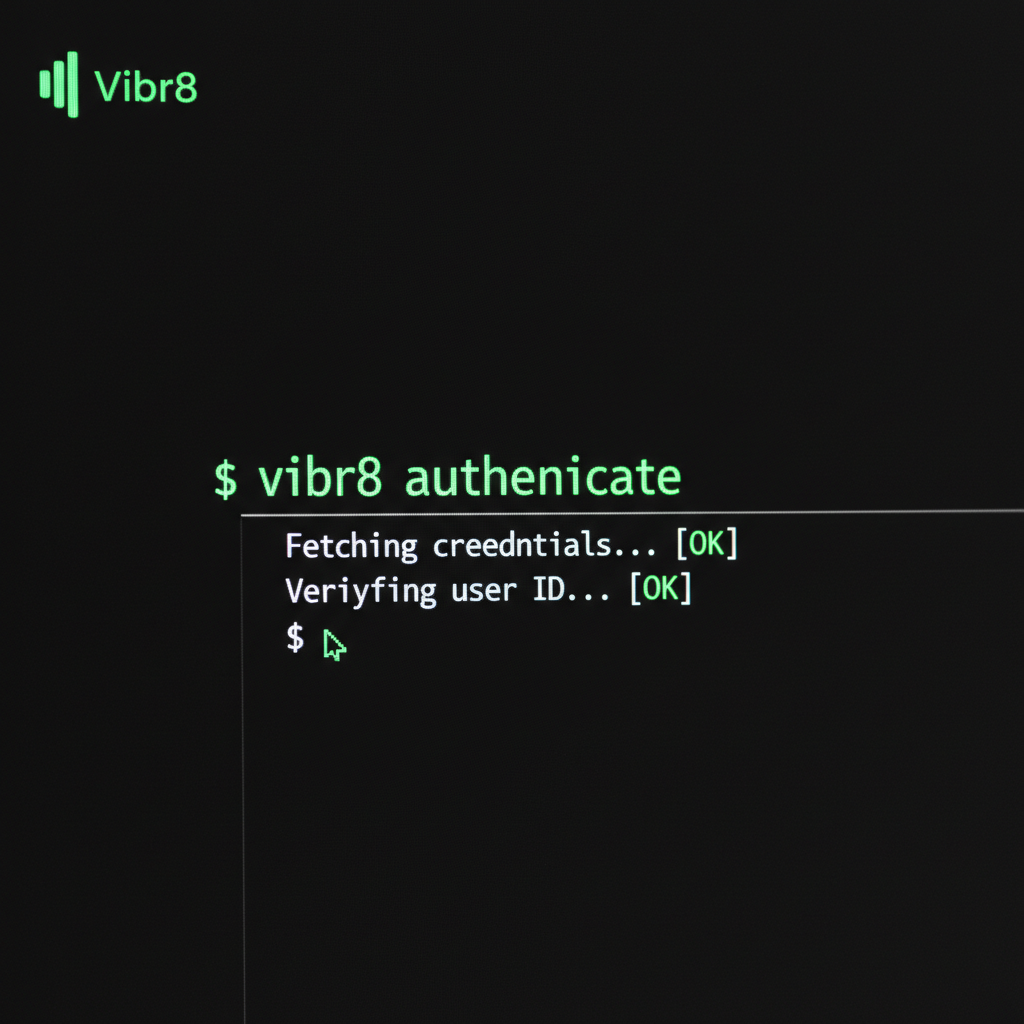
It’s 2026. Your senior engineers aren't staring at a blank index.ts file wondering how to implement a red-black tree. They are in the terminal, orchestrating three different AI agents, piping CLI output into Claude Code, and refactoring 40 files at once with a single prompt.
Yet, when it comes time to hire their next teammate, we ask them to log into a browser tab.
We hand them a "Web IDE"—a sterilized, laggy sandbox that feels like coding in a straightjacket—and ask them to solve a logic puzzle while a "bolt-on" AI sidebar sits uselessly to the right. We are testing their ability to adapt to a crippled workflow, not their ability to ship production code.
If your engineering team is already AI-forward, your current interview process is failing you. It’s time to move the interview to the CLI.
The Sandbox Delusion
The modern engineer’s productivity is no longer a solo performance; it’s an ensemble. It is inextricably tied to a local setup: custom dotfiles, hyper-specific keybindings, ZSH aliases, and deeply integrated tools like Cursor or terminal-native agents. This environment is the cockpit of a senior developer.
When you force a candidate into a browser-based environment like CoderPad or HackerRank, you aren't just changing the UI—you are stripping away their power. You are asking a Formula 1 driver to compete in a golf cart.
The "Web IDE" was a great solution for 2018, when the goal was simply to see if a candidate could write syntactically correct code without a compiler. But in the age of agentic workflows, the web sandbox is a delusion. It creates a "sterilized" environment that bears zero resemblance to the actual job.
Traditional platforms have tried to pivot by adding an AI sidebar. But a sidebar is just a chat window. It doesn’t see the terminal history. It doesn’t understand the local file system architecture. It fails to capture the fluid, terminal-native orchestration that defines high-output engineering today. You aren't seeing how they work; you're seeing how they use a chatbot.
The Terminal is the Only High-Fidelity Signal
At a Series A through C startup, engineering isn't about solving LeetCode puzzles. It’s about navigating a massive, inherited codebase and directing agents to execute complex changes without breaking the build.
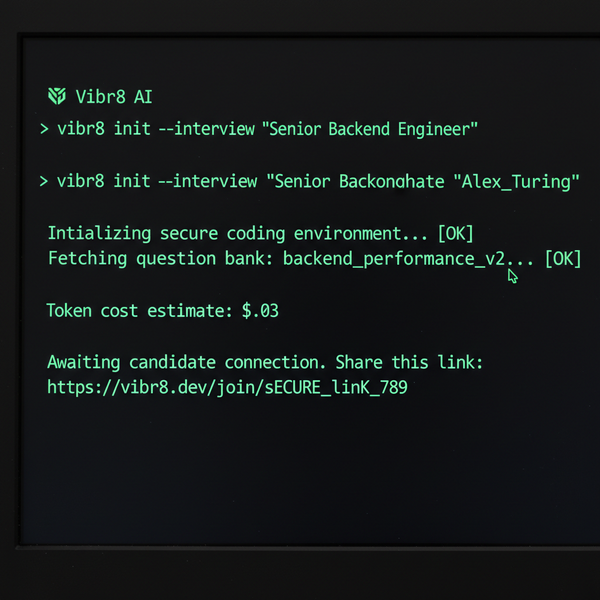
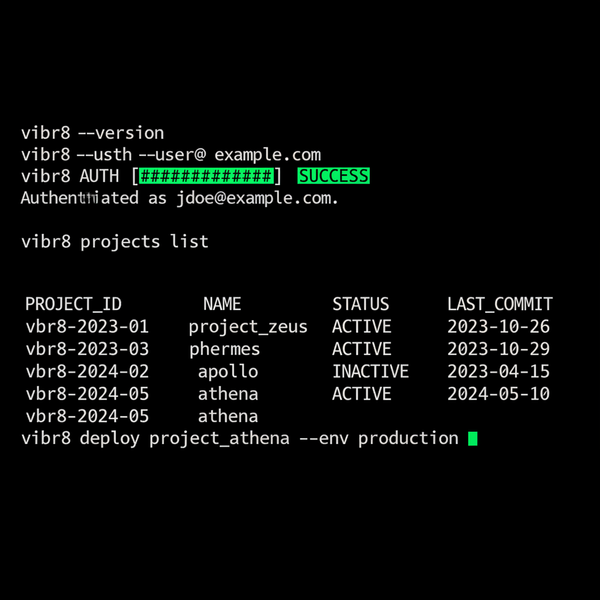
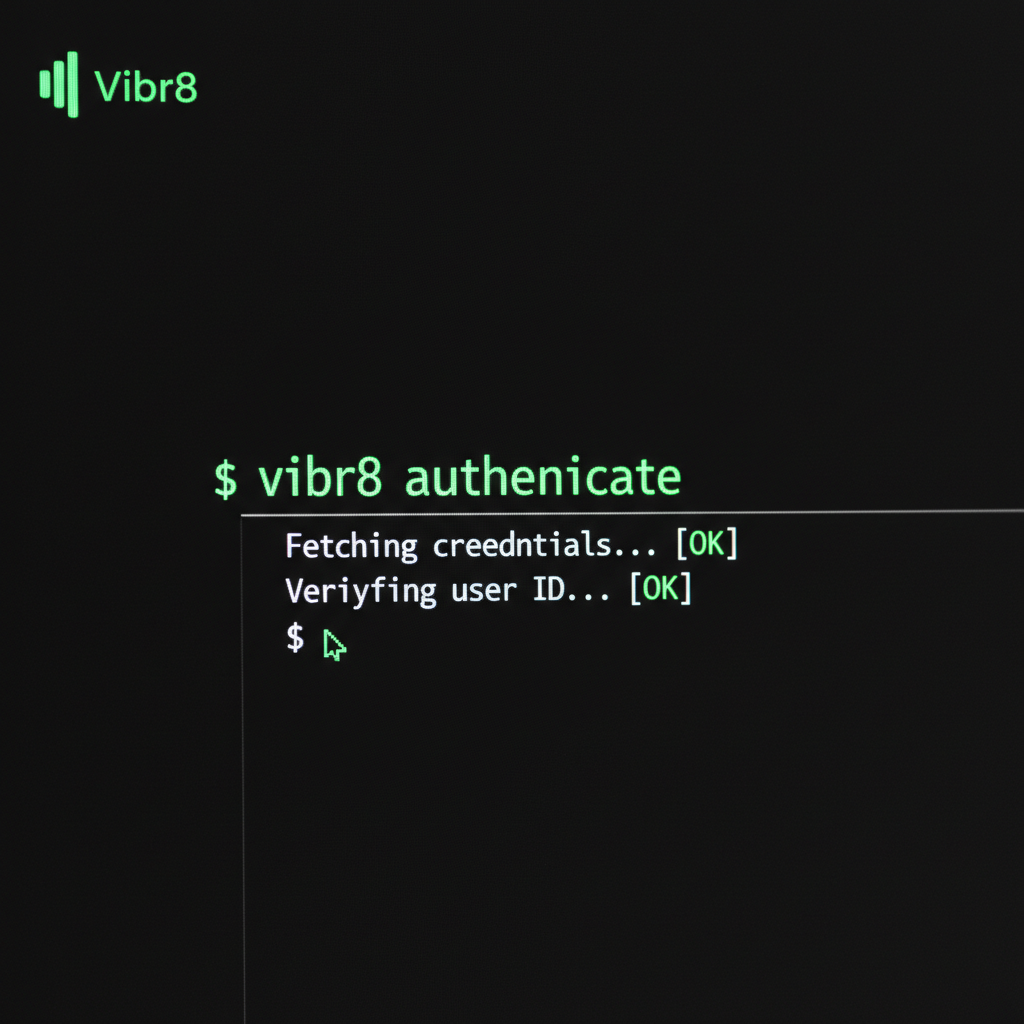
This is why Vibr8 is CLI-first. We don't ask candidates to come to us; we go to them. The candidate runs npm install vibr8, authenticates, and stays exactly where they are most productive: their own terminal.
By moving the interview to the user’s local environment, we capture a "pure" signal. We see the real habits of a senior engineer:
- How do they navigate a directory they’ve never seen?
- Do they use
grepandfindeffectively, or do they let the agent hallucinate the file structure? - How do they handle merge conflicts when an agentic refactor goes sideways?
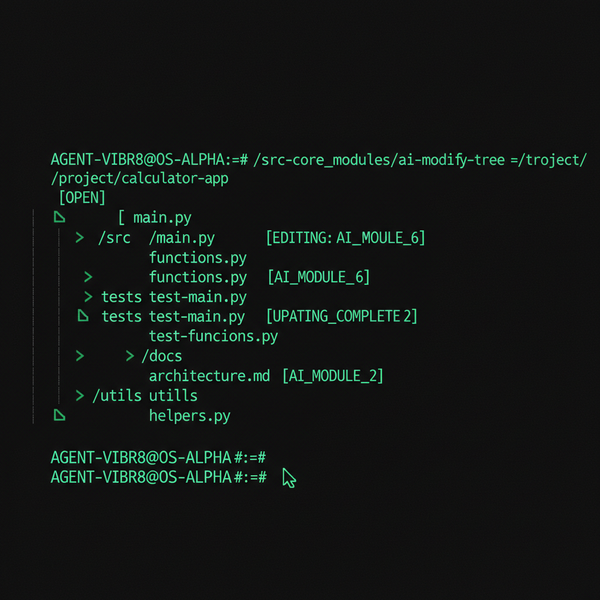
The shift from "writing code" to "directing agents" requires a platform that monitors the interaction between the human, the terminal, and the LLM. When a candidate works locally via Vibr8, we capture every nuance. We aren't just recording a video of their screen; we are capturing the telemetry of their thought process.
The Hidden Cost of the 'Agentic Shift'
There is a new variable in the hiring equation that VPs of Engineering are only just beginning to realize: The Token Bill.
Your next hire isn't just a salary and equity line item on your P&L. They are a recurring Anthropic or OpenAI bill. As agents become the primary interface for development, the cost of an engineer’s "output" is no longer just their hourly rate—it's their token efficiency.
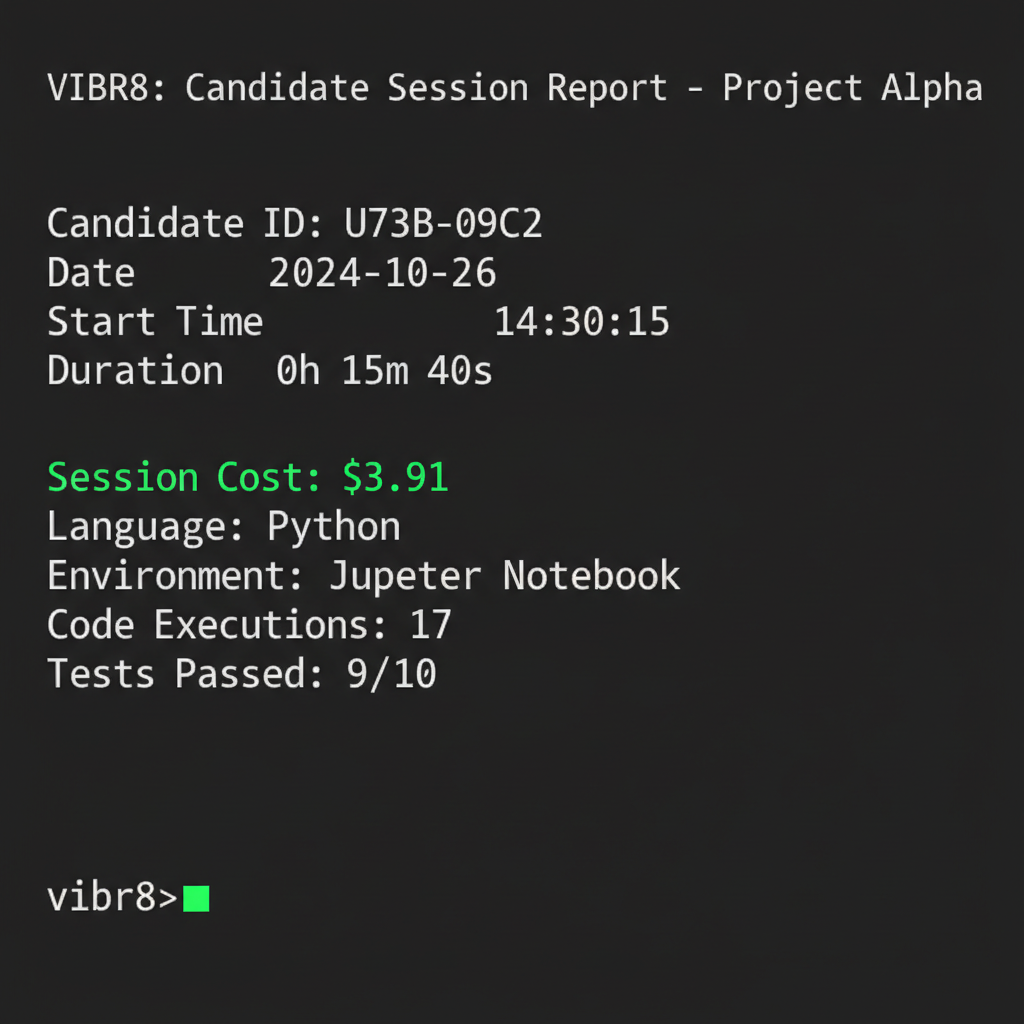
Traditional interview platforms tell you if the test passed. They give you a green checkmark. Vibr8 tells you that the green checkmark cost $3.91 in tokens.
We are introducing the concept of Token ROI. In our early pilots, we’ve seen two candidates solve the same GitHub issue challenge. Candidate A solved it in 20 minutes with $0.45 in token spend through precise, context-aware prompting. Candidate B solved it in 15 minutes but racked up $12.80 in costs by "spraying and praying"—sending massive, unnecessary context windows to the model repeatedly.
Who is the better hire? In 2022, you’d pick Candidate B for their speed. In 2026, when your monthly inference spend starts rivaling your AWS bill, you might prefer the architectural intent and precision of Candidate A. Vibr8 provides the data to make that choice.
Stop Interviewing for 2022
The IDE is gathering dust. The agent is the interface. If your interview process doesn't reflect this reality, your hiring signal is nothing but noise.
We often get asked: "How are you different from CoderPad or CodeSignal?"
Our answer is simple: We aren't trying to be a better version of them. We are measuring a different dimension of seniority. They measure the solution. Vibr8 measures orchestration and intent.
In a world where AI can generate the solution to almost any isolated coding problem, the "solution" is no longer the signal. The signal is how the engineer got there.
- Did they verify the agent's work?
- Did they catch the subtle logic error in the LLM's first pass?
- Did they manage the agent's context window effectively to keep costs down?
What We’ve Learned From Early Pilots
In our recent pilot sessions with Series B infrastructure teams, the feedback has been consistent: "I finally saw how they actually think."
One CTO noted that a candidate who looked great on paper was completely lost when forced to use the CLI to debug an agentic error. Another found that a "quiet" candidate was actually a prompting genius, navigating a complex repo with surgical precision. These are insights you simply cannot get from a browser tab.
The Future is Terminal-Native
The "vibes-based" assessment of AI skills is over. You can no longer afford to hire based on whether someone "seems good with AI." You need telemetry. You need to know the cost, the prompt chain, and the behavioral patterns.
Vibr8 is currently in a free pilot phase. We are looking for AI-forward engineering leaders who are ready to stop squinting at browser-based IDEs and start seeing the full picture.
The offer is simple:
- You pick a real candidate.
- They run
npm install vibr8. - They work on a real GitHub-style issue in their own terminal.
- We cover the AI costs and provide you with a full behavioral and financial report.
The future of technical hiring isn't in a browser tab. It’s in the CLI.